Pages

Showing posts with label grief. Show all posts

Tear Catcher Cremation Urn

Tear Catcher Cremation Urn


As tear catchers have fallen away from use in contemporary mourning ritual, we developed the concept for a dual purpose urn incorporating tear catching so as to revive interest in the homage.

Tears: A Measure of Grief
Tear catchers (aka tear bottles, lachrymae) have been used in mourning ritual by the bereaved for thousands of years. The tradition has evolved from antiquity with Egyptian pharaohs, Persian sultans, Roman warriors, wealthy Victorians to Civil War relics displayed in museums around the world in every culture and religion.

In fact, reference to collecting tears in a bottle can be traced as far back as to Psalm 56:8 where David prays, "Thou tellest my wanderings, put thou my tears in Thy bottle; are they not in Thy Book?"

Our original design surrounds a loved one's remains with actual tears. The grieving becomes part of the memorial art making process which is visible in the final piece. As the prototype could not be made by hand we used a combination of SLA Stereolithography 3D printing that brought together modern rapid prototyping techniques with ancient tradition. The culmination of which is in this smooth organically shaped tear form crafted in a pearlescent glazed glass-like finish.

Rather than utilizing old methods from traditional tear catchers (placing one's eye into the bottle opening or wiping ones face with the bottle), the inner tear bottle stopper is fin shaped in order to be removed from the bottle and used for cleaving tears from ones face. This design collects more tears, while being both more comfortable and private for the mourner.

Our bottle is also much larger than traditional lacrymatories. This is because we designed the bottle with a reservoir similar to a dolls “refilling milk bottle” which spreads the tears across the face of the bottles inner body rather than pouring its volume into the larger cavity of the vessel. The result is a memorial object that is much more unique, impressive, distinctive, beautiful and personal.

Approximately 200 tears will fill the ½ oz tear reservoir. As shown, the urn is translucent which allows one to see the cremated remains inside.

Funerals and Personal Hopes

Art of the Funeral

A funeral is a collaborative work of performance and art. The funeral is a time for family and friends to support one another, and share intimate memories. A misconception is that a funeral is solely for those who are religious. It is as much a moment of reflection as it is a series of events providing tasks and activities to undertake as an expression of feelings.


Weeping for Ourselves

It is important to note that as much as we grieve for our dead, attending a funeral is just as much about weeping for ourselves. Roussell, describing anticipatory grief writes, “some people have feelings of guilt and anxiety over having too little time to settle issues and put things in order for their loved ones.”1 For others, attending a funeral establishes emotional stability and security through the unspoken promise of reciprocation. 

What do you hope people will remember about you after you die
 

Supporting One Another


Funerals offered communities the chance to support to one another. For example, in a scene from the French motion picture “Amelie,” the lead character daydreams about her own funeral. She watches the procession on television and weeps at the sight of people mourning her death. We can identify with this girl. We are at center of our own universe and therefore secretly wish for others to mourn our own deaths. The funeral rite gives us the opportunity to act for others as we would wish them to act for us. When we grieve for others, we subconsciously grieve for ourselves. 

We want our presence to be missed, our deaths to be mourned, and for a death to have meaning. It explains why we host lavish funerals and grand memorials. We yearn to be remembered. Our lives must have had held some meaning. Attending a funeral reminds us that we will someday merit the same honor, respect, and display of affection. To not hold a funeral is not to observe this sacred pact. 

What do you hope people will remember about you after you die
Do you have special plans or hopes for your own funeral? 

¹ Roussell, J.O. (1999). Dealing with Grief: Theirs & Ours. Staten Island, NY: Alba House.


Funeral Directors Help Facilitate Grief

When a person dies, the world seems to continue right along as though nothing has happened, and to the bereaved this experience can be isolating. A funeral director helps the family by making sure that their beloved is cared for and honored while facilitating the organizational and legal aspects of the arrangements. According to Worden, “often the immediate family members are in a dazed or numb condition and the service does not have the positive psychological impact that it might have.”2 While this can be an issue, these families still benefit from just being with those support them through their loss. They want to be comforted. They want to be with those who understand their loss. The funeral is a supportive place to show respect for the dead, and surviving family and friends.

Do you think Americans need to be more open to public displays of grief? 
 

The funeral home and or cemetery are the socially acceptable places for mourning. This leaves Americans with few places where it is acceptable for grief to be displayed openly. In American culture, we are taught to hold back public display of pain so we do not make others uncomfortable. We are encouraged to shed tears privately, out of sight. This can create disenfranchised grief. Worden recommends, “some type of ongoing contact with these families might be considered for the purpose of grief counseling.”2 The funeral meets a family’s spiritual, psychological, and social needs as they share the pain of losing someone loved. The funeral rite gives us a universally understood social tradition to observe for coming together. Thus, the funeral is one of the few events where people are not judged as harshly for showing emotion. This makes the funeral director's job of creating conducive atmosphere for healing all the more important. By offering the bereaved a place to address these feelings, funeral directors help to facilitate grief and allow survivors to find meaning through the funeral rite. 

How have funeral directors helped you or a loved one
Do you think Americans need to be more open to public displays of grief? 

² Worden, J.W. (2009). Grief Counseling and Grief Therapy. A Handbook for the Mental Health


Visit a Cemetery this Valentine's Day

It's Valentine's Day, and for most people it signifies a time for romance, sweet gifts, and happy couples enjoying a day that focuses on love. But what about a surviving spouse, family member, friend or partner of one who has already died? 

Holidays provide a perfect opportunity to reflect on the memories that keep a loved one alive in spirit. While some like to visit friends or family to reminisce, others enjoy looking through old photos or reading old letters. Visiting a favorite and memorable place, special to your loved one, can also be a thoughtful way to spend the day. Visiting the cemetery to remember a loved one by cleaning the grave, dropping off flowers, or just spending time, is another meaningful choice.

Whatever you decide to do this Valentine's Day, remember your loved ones, living and past, and have a Happy Valentine's Day.

VM Book Club Review: Maude by Donna Foley Mabry


"Maude" in an engrossing read that takes the reader through the twists and turns of American life from the late 1800's up through the late 1960's. We see life through Donna's grandmother Maude's perspective. She describes in detail the lifestyles that once were the norm for many Americans including how families dealt with profound loss, untimely deaths and early funeral traditions.

Through Maude, we learn about the fascinating transition from living before electricity, indoor plumbing and toilets, washing machines, microwaves, cars and telephones to how the American way of life changed as each of these became part of everyday life.

"Maude" also describes how the World Wars affected American society. She explores the transitions of early societal expectations on women and womens' rights (including when women first voted), and how marriages and families changed over the years. The book is a well written and enjoyable read.

Have you read "Maude" yet? If so what were your impressions of the book? 
Have you read other non-fiction books which capture American History in such an enthralling way? If so, please share.

Roadside Memorials: A Place to Grieve or Safety Concern? by Madison Moore

Exactly 4,800 daffodils planted in the shape of a heart bloom along the Route 611 bypass in Doylestown, Bucks County, where nine-year-old Holly Huynh was killed in a horrific, high-speed crash caused by two racing cars on the eve of Thanksgiving 2012.

About seven miles away in Hatfield, an array of balloons, flowers, and a photograph of 15-year-old Dennis Kee sits in the overgrown grass off the shoulder of Route 309 near Mill Road. Kee was walking on the shoulder with his friends on April 26, 2013 when he was struck and killed by an intoxicated driver who was speeding and texting.

And a "ghost bike" sits at the busy crossroads of West Girard and Ridge avenues in Fairmount to remember and celebrate the life of Jay Mohan, 26, a popular filmmaker and Temple University graduate who was struck and killed by a car May 9 as he rode his bike home after taking in a movie with his girlfriend.

By telephone poles, corners and highway sides, roadside memorials mark the sites of fatal accidents – in which a life took a last breath. Some are maintained frequently with new teddy bears, pictures or other meaningful memorabilia. Others are weathered from rain and snow, or covered in grass left unmowed.

Roadside memorials often become a part of a daily commute or a weekend trip to the shore, and no matter the season, their existence fosters two viewpoints in the community. 

PENNDOT'S 'BALANCING ACT'


In Pennsylvania, there isn’t a formal policy stating rules and regulations of roadside memorials. Instead, PennDOT views them on a case-by-case basis. Over time, maintenance crews will remove them. (New Jersey limits their duration.)

“It’s a balancing act,” said Charles Metzger, PennDOT's community relations manager. “We try to be sensitive to the family.”

While respecting the family's need for a grieving period, PennDOT does recognize that some memorials can be “visual distractions” or become roadside projectiles. Metzger said that people have called and complained from time-to-time, but “it’s not a raging problem for our maintenance crews.”

That’s why PennDOT refers families to their Adopt-a-Highway program, where the name of the lost family member or friend can be placed on a blue and white sign — a memorial that is a permanent fixture, and won’t become washed away with bad weather. 

As part of the program, family members conduct quarterly cleanups along the stretch of highway they have adopted to fill the requirement of having the memorial sign. 

A 'COMMUNITY PURPOSE'


For many in the community, these “organic” memorials that serve as reminders for motorists, whether it’s to slow down, stop drinking, or put the cellphone away. 

Kimberly Cambra, an executive director at CB Cares, a Doylestown educational foundation, said she suggested a flower memorial for Holly Huynh (pictured left) to Bucks Beautiful, an organization that seeks to enhance the beauty of Bucks County with roadside flowers and gardens. The group planted thousands of daffodil bulbs at the crash site.

Roadside memorials are “a personal matter of the heart,” Cambra said. “People do whatever they deem necessary to hold someone’s memory and keep them alive. Especially those that are too young to die.”

Leslie Gearhart of Dublin Borough, who frequently drives by the Holly Huynh flower memorial, said roadside memorials “fulfill their community purpose – to remind you of ones who have, usually, tragically passed.”

She believes, however, that municipalities should have rules or policies regarding the distance from the street in which they are placed and what items can be used to decorate. 

Gearhart said a roadside memorial on Dublin Road in Hilltown Township sits “very close" to the road, and uses reflective tape – like that seen on the back of an emergency worker. A new fluorescent uniform shirt is hung every few months, “because the old one fades.” Earlier this month, Gearhart noticed the shirt portion was moved further back from the road. 

That memorial remembers 24-year-old Ricco Rios of Norristown, a refuse collection worker who was killed on the job in July 2013 when the trash truck he was riding in fell into a ditch. A black cross marks the spot of the tragedy. 

A PLACE TO GRIEVE


Other residents say that if roadside memorials do not compromise driving safety, there is no reason they should be an issue. 

“As long as like anything else on the road, they don’t obstruct a driver’s view or cause a hazard, or violate any existing property/safety ordinances, I think they are fine,” said Mariann Davies of Doylestown. 

Dan Harrah of Doylestown said the roadside memorials “definitely” draw attention, whether it is “good or bad.” 

From firsthand experience, he thinks they are an acceptable form of grieving.
“I had a friend growing up that died in a motorcycle accident,” Harrah said. “A few of his closest friends would set out flowers every year on the anniversary of his death.”

Elizabeth Casey, a grief counselor in Quakertown, said the sites can be a very “sacred place,” and often times in a sudden death, it can be the place where loved ones can grieve and come to terms with what happened.

Ghost bikes, a somber type of roadside memorial adopted in the early 2000s by the cycling community, are often used to remember riders who are killed or hit on the street. Painted all white, a bicycle is locked to a street sign near the crash site. A small plaque or poster may tell more about the person. These memorials also serve another purpose: they stand as quiet statements in support of cyclists' right to safe travel.

The Jay Mohan memorial, chained to a traffic light at the intersection, includes a list of terms to describe the Brewerytown resident, including "Visionary. Educator. Goofball."

STORIES OF LIVES LOST

Not all memorials are seen from the window of a car. For one Portland, Oregon woman, she has a personal mission to find roadside memorials and “shrines,” telling the untold stories of lives lost.

Her journey mostly stays within the border of Oregon, but Jane Cushman, a licensed funeral director and embalmer, has also traveled to Washington and California to find roadside memorials, jump out of her car, and snap some photographs.

She plans on turning her pictures into a book, along with the stories to go along with each one – so they become more than just a memorial on the side of the road.

Cushman said she felt like roadside memorials were a subject that “wasn’t being documented,” so five years ago she began photographing them herself. 

“It’s still really exciting because they’re all so different,” she said. “You don’t know when you’re going to find them and sometimes, you only have a short window.”

In the state of Oregon, much like Pennsylvania, roadside memorials aren’t considered illegal. The state of Oregon maintains memorials for pedestrians or bike riders, but there is no allowance for automobile-based roadside memorials, according to a 2007 study on state laws and policies on roadside memorials. 

“I think that's part of the reason cities don’t like them, if they become rundown and they look like rubbish,” said Cushman.

The photographer said that from the shrines she has seen in Oregon, a lot of family members or loved ones really take the time to refresh the memorials, during times like the anniversary of the death or the deceased person’s birthday. 

Cushman has been drawn to these memorials because they reflect the vision of her and her husband’s start-up funeral services company, Village Memorial, which helps families celebrate lives in ways that are special and unique. 

Cushman said that these memorials are just another way to recognize the deceased and that roadside memorials are a part of the healing process for families. “People doing things on behalf of the deceased is helpful,” she said.

Our Video on Roadside Memorials


**The article above originally appeared in The Philly Voice on July 15, 2015 and was re-posted here with permission of the author, Madison Moore. All Roadside Memorial Photos included in this re-posted edition are the property and copyright of Village Memorial. Any re-posting/copying of these photos is violation of our copyright.**

Lakota Sioux Thoughts on Death and Dying

Wikicommons/SiBr4
A wonderful example of the Living Funeral is the tradition of the Lakota Sioux people of South Dakota. They accept death as part of the natural order of life. They identify more with their consciousness and allow themselves to disengage from their bodies. They see life’s journey as its end goal, and appreciate that life is always on the edge of death.


Wikicommons
Prior to death, the Lakota Sioux make sure to forgive. They ease tensions by making amends. They release loved ones from feelings of guilt for acts they may have committed against them. They make a point to accept each others faults and thoughtfully collect their precious family heirlooms to distribute to their family members. The gifts passed on to decedents are meant to be passed on down the line each generation. Thus, each member becomes a caretaker of the family heirlooms rather than the singular owner. As one approaches death, one of their folkways requires that traditional foods be eaten as part of purifying oneself for death. This is the time for handing down family recipes.

At the time of death, family, friends, and neighbors will all crowd into the critical care unit hospital room (which can be difficult.) It is their tradition to show respect and appreciation for their relationship by being at bedside to say farewell. Once all are there, the dying person lets go. They believe death is but a transitional period, and that their energy is released into the world to become once again part of nature.


The year following the death is a trial period for the family. The bereaved must strive toward exemplary behavior. They will avoid controversy, jealousy, anger, and licentiousness at all costs because it is believed that one's true character emerges at the time of grief. Throughout the year, the family will also prepare for the death anniversary party by collecting items and money. 

The death anniversary party is partly a memorial service and partly a tribute to the individuals who showed kindness to the departed loved one and the family. The guest of honor (this might be the best friend of the deceased), will carry a picture of the deceased to show it to all who attend. After a memorial service, the atmosphere changes, and the event becomes festive and joyful. Attendees will share a meal as they share happy memories and stories about the deceased. At the end of the party, attendees are honored by gifts - former belongings of the deceased's.

Please share your thoughts on the Lakota Sioux tradition. What did you find to be most helpful? What personal family traditions do you feel are helpful or healing?

Funerals and Memorials Support Surviving Friends and Family


When a person dies, the world seems to continue right along as though nothing has happened, and to the bereaved this experience can be extremely isolating. The funeral custom provides a social function where friends and family of the bereaved can gather to offer support. "The funeral service has the effect of drawing a social support network close to the bereaved family shortly after the loss has occurred, and this kind of social support can be extremely helpful in the facilitation of grief".² The social support provided during the funeral rite, can provide encouragement to the bereaved in considering the adjustment to living without the lost loved one.

By acknowledging all of one’s family, friends and neighbors that remain available in one's social circle, one may find reassurance and comfort in the fact that they are not alone. The communities promise to attend funerals establishes emotional stability, security, and support in facing death. To not hold a funeral is not to observe this sacred pact. If "people have an aversion to death, they have a persistent sense of despair and hopelessness"¹, The funeral rite gives us the opportunity to act for others as we would wish them to act for us. When we grieve for others, we grieve for ourselves. "We attempt to master the storms of life by finding palatable reasons for our personal suffering. With the discovery of meaning comes the possibility of restoration".¹

We want our presence to be missed, our deaths to be mourned, and for life to have meaning. It explains why we host funerals and grand memorials. We yearn to be remembered. Our lives must have had held some meaning. Attending a funeral reminds us that we will someday merit the same honor, respect, and display of affection.


Please share your thoughts on supporting a friend or loved one who is grieving. What did you find to be most helpful? What advice can you share with others?


¹ Roussell, J.O. (1999). Dealing with Grief: Theirs & Ours. Staten Island, NY: Alba House.
² Worden, J.W. (2009). Grief Counseling and Grief Therapy. A Handbook for the Mental Health

Funerals Aid Healthy Grief

"True healing can not take place without the journey through the grieving process"¹. An important role of a funeral is to facilitate grief. "If [the funeral] is done well, [it] can be an important adjunct in aiding and abetting the healthy resolution of grief"². As our culture is "largely death-denying and death-defying"¹, making the loss real to the bereaved is a very important task of mourning. Accepting the reality of the loss is the very first task of mourning to be achieved. "There is always a sense that it hasn’t happened"².

Perhaps we find it easier to deny the death, and to believe it has not happened, but the funeral provides a place in which this denial can be directly addressed. People must "come full face with the reality that the person is dead and will not return".² By seeing the body of a lost loved one, it helps "bring home the reality and finality of death"² to us. The funeral practice provides a setting in which viewing the deceased is appropriate, acceptable and healing.

In American culture, we have been taught to hold back public displays of mourning so as not to make others uncomfortable. We are encouraged to shed tears in private. This isolation can lead to unhealthy grief. Our funeral homes and cemeteries provide a venue in which mourning can take place socially. The funeral service setting can assist the bereaved in expressing the feelings and thoughts about the departed. At the funeral, the bereaved is provided an opportunity to engage in discussions about the dead, to hear or share eulogies and other stories about the deceased. The need to express one’s feelings in a safe place is important in promoting grief, and we should give people "permission to acknowledge and express emotions".¹ "The funeral service can help the grief process, as it allows people to talk about the deceased".²

Please share your thoughts on funerals and or viewings. How do you feel they aid the bereaved survivors? What else do you think is helpful to survivors in accepting such a loss?

¹ Roussell, J.O. (1999). Dealing with Grief: Theirs & Ours. Staten Island, NY: Alba House.
² Worden, J.W. (2009). Grief Counseling and Grief Therapy. A Handbook for the Mental Health 

Re-imagine Sympathy Gifts

When a cousin's husband died recently, many friends sent her sympathy cards, flowers and/or gift baskets. Local friends and neighbors brought her a variety of cakes, chocolates and wine. Most of the food she received consisted of sugary breaded items (like cupcakes, muffins and cookies) and as a gluten free person, she could eat very little of it. 

We were surprised that no one thought to bring her any food of nutritional sustenance like meat dishes, salads or vegetables. Although she was eating very little at the time, she did not feel like cooking anything. It was unfortunate that the foods she received appeared more like Valentine's Day goodies than sympathy gifts. Sympathy foods really should be more nourishing. 


Please share your thoughts about Sympathy Gifts.

 
Have you received gift baskets of desserts after a death in your family or have you sent desserts to a bereaved friend/family member? What can we do to improve sympathy gifs to be sure they nourish the bereaved?

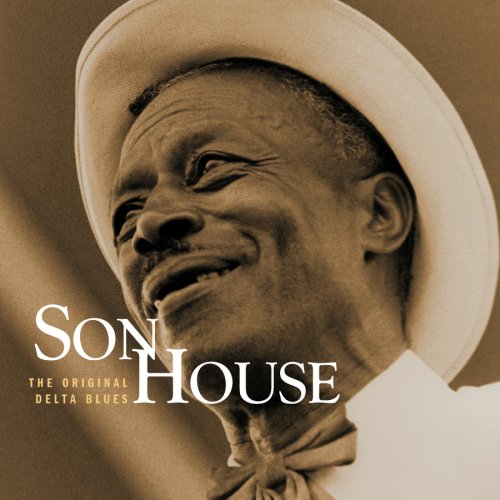
Funeral Music: Son House - Death Letter


You may have heard blues song, “Death Letter” (also known as “Death Letter Blues”) performed by Son House. Son recorded songs were recorded during a 1960’s session. 

According to Wikipedia, which has a page devoted to the song; “Death Letter” is considered to be Son House’s “signature song.” Some refer to Mr. House’s style as “Delta Blues”, which originates from the Mississippi Delta region of the U.S. Wikipedia notes that, Delta Blues is one of the “earliest styles of blues music” and the most dominant instruments used are “guitar, harmonica, and cigar box guitar,” with the slide guitar being “a hallmark of the style.”

Wikipedia says, “Death Letter” was “the centerpiece of Son House’s live performances
during the blues revival of the 1960’s.” He would alter the “tempo and lyrics for different performances”, sometimes playing the song a few times in the same show and “some renditions exceeded 15 minutes in length.” The song has been recorded by many other artists. A simple search on AllMusic.com turns up 297 results for “Death Letter” in songs. Many well-known singers have performed the song including: Lead Belly; The White Stripes; John Mellencamp; Kenny Loggins; Tony McPhee; The Blues Band; and the Grateful Dead.

Eddie James “Son” House Jr. was born on March 21, 1902 and died on October 19, 1988. He was an American blues singer and guitarist “noted for his highly emotional style of singing and slide guitar playing,” says Wikipedia. His innovative style utilized “very strong, repetitive rhythms, often played with the aid of a bottleneck, coupled with singing that owed more than a nod to the hollers of the chain gangs,” according to mojohand.com. Although Mr. House harbored a dislike for secular music he turned to blues performances at age 25 after spending some years as a church pastor. This struggle to cope with his conflicting lifestyles (preacher vs. blues musician) was reflected in many of his songs, says BluesCentric.com,

The song feels very genuine. The lyrics describe a man, receiving the upsetting news that the woman he loved has died, and rushing to pack a suitcase to leave immediately to attend her funeral. It describes the man seeing her dead, “laying on the cooling board”, and feeling the greatest sense of love lost at the burial as “they began to let her down.” The constant rhythm and strophic form is soothing. It’s predictable; we can tap our foot to it, and know what’s coming next. The success in Mr. House’s song is the strength found even in times of deep sorrow and grief.

Our Video on Son House  & His Famous Song "Death Letter"


Please share your thoughts about Son House's song, or other blues songs that have spoken to you.
Have you ever received news of the death of someone you loved by letter or email? 
Did you attend the funeral or memorial service? Why or why not?


Bereavement Leave - Not Guaranteed, Not Universal

This article focuses on bereavement leave policies and legal provisions. I chose to focus on this topic, after learning from a friend and former co-worker, that the Clark Regional Wastewater District in Vancouver, WA, recently closed down their office for the memorial service of one of their employees, Chris Hodnefield. His healthy lifestyle and fitness habits were well known and his death came as a shock to all.

Bereavement Leave – Not Guaranteed, Not Universal

Firstly, in researching bereavement leave, employers are not required to pay for this type of leave by the federal government and most states. I decided to focus my research on the west coast states of Washington, Oregon and California.

Washington State - “An employer is not required to give workers paid…bereavement leave.”

Oregon State – “Bereavement leave is not covered by or required under state or federal family leave laws. Like other benefits, bereavement leave is dependent on the employer´s policy.”

California State – “Neither federal nor state laws currently provide protected leave for bereavement.”

Employer Bereavement Policies
Since the laws do not require bereavement leave, employers are left to decide whether to offer bereavement leave to their employees or not. Although the most common time period of leave employers offer is 3 days, the policies vary from 1 to 5 days. Some employers determine the leave for bereavement based on the relationship of the individual to the decedent.

A Look at 6 Oregon Employers Bereavement Leave Policies


Private Educational Institution
Lewis & Clark College
• 5 Days for the death of a Spouse, Same Sex Domestic Partner (SSDP), Child, Stepchild, Parent, or Sibling.
• 4 Days for the death of Stepparent of self/spouse/SSDP, Grandchild of self/spouse/SSDP, Grandparent of self/spouse/SSDP, Son-in-law or Daughter-in-law of self/spouse/SSDP, Child of Spouse/SSDP, Stepchild of Spouse/SSDP, Parent of Spouse/SSDP, Sibling of Spouse/SSDP
• 1 Day for the death of “Any relative not specifically mentioned in this policy.”

Global Technology Corporation

Intel
• “Intel offers leave programs to eligible employees in the event they are unable to work due to …personal situations.”

Global Multinational Retailer Corporation
Walmart
• Paid time-off including: …bereavement

Public Institution Fundraising Organization
Oregon Lottery
• 1 Day Paid – “Full-time employees may request up to 24 hours of paid bereavement leave for the death of a family member.”

Public Educational Institution
Oregon State University
• Up to 3 Days - “Classified employees are eligible for a maximum of three (3) days paid bereavement leave per instance arising from a death in the immediate family of the employee or the employee’s spouse or domestic partner.”

Multinational Snack and Beverage Manufacturing Corporation
Pepsi Co.
• No mention of bereavement leave, only a reference to “Family Leave”.

In researching bereavement leave, it was interesting how difficult it was to find out which companies offered bereavement or funeral leave for their employees. Walmart offered superior benefits with paid bereavement leave. Other companies didn’t fare so well (Intel and Pepsi Co.). Also intriguing was the overall random quantity of the leave with employees being offered 1 to 5 days paid depending on the company and the nature of the relationship of the employee to the decedent.

Pet Bereavement Leave
I was surprised to discover bereavement leave extended to include family pets by the SPCA of San Francisco. According to the Wall Street Journal, “Several U.K. and Canadian companies, including the Bank of Scotland, also offer time off…for pet bereavement.” Considering that I have seen co-workers crippled by the loss of a beloved cat or dog, clearly unable to perform their duties I hope this leave becomes more prevalent. Hopefully more workplaces will consider changing their policies in the future.

Bereavement Leave Discussion
Join us on March 8, when we guest host Death with Dignity's TweetChat for a discussion on Bereavement Leave policies and attitudes.
http://www.deathwithdignity.org/TweetChats/

Get Ready - TweetChat Discussion Questions
1) As an end-of-life professional, do you feel supported by your employer’s bereavement policies?
Please share your experiences with Bereavement Leave policies.

2) How many days do you feel employers should give employees off?
Should relationship closeness dictate time off?
How do we keep people from abusing the time off?
How do we institute polices that support grief while avoiding abuses of time off?

3) What are the cultural and sociological attitudes towards contemporary bereavement leave? What do you foresee as the future for bereavement leave?

Hope to see you on March 8th for the Death with with Dignity TweetChat.

Reference Links
Washington State Department of Labor and Industries - http://www.lni.wa.gov/WorkplaceRights/LeaveBenefits/VacaySick/

Oregon State - Technical Assistance for Employers –
http://www.oregon.gov/BOLI/TA/T_FAQ_Tabenefits.shtml

California State – Assembly Bill Analysis to Extend Bereavement Leave –
http://www.leginfo.ca.gov/pub/11-12/bill/asm/ab_0301-0350/ab_325_cfa_20110817_142207_sen_floor.html

Lewis and Clark Bereavement Leave Policy –
http://www.lclark.edu/offices/human_resources/employee_resources/policies/benefits/leaves_of_absence/bereavement_leave/

Jobs and Intel – USA – Compensation and Benefits
http://www.intel.com/jobs/usa/bencomp/benefits.htm

Walmart Stores Benefits –
http://walmartstores.com/careers/7750.aspx

Oregon Lottery – Employee Benefits -
http://www.oregonlottery.org/About/Careers/EmployeeBenefits.aspx

Oregon State University – Leave Accrual & Use of Leave Time
http://oregonstate.edu/admin/hr/orient/benefits/cp/leave#bereavement

Pepsi Co. -
http://www.pepsico.com/Careers/Why-Work-at-PepsiCo/Benefits.html

San Francisco SPCA -
http://www.sfspca.org/about-us/careers/benefits

Wall Street Journal “Westminster Dog Show: Taking “Peternity” Leaves” -
http://blogs.wsj.com/juggle/2009/02/11/westminster-dog-show-taking-peternity-leaves/

Dementia is Identity Theft

Over the past few years, my grandmother has steadily declined into dementia. Although she is still with us in body, she is no longer with us mentally. The grief I feel over losing her began with those first episodes of her mental decline and continues to plague me in different ways as the disease takes hold in more destructive ways.


The loss of my grandmother began when she started to forget the little things. The woman who baked me a birthday cake every year from scratch, no longer even remembered to send a card, much less baked period. She could scarcely recall small things like where I was living at the time. (I’d moved a few times as her decline began.) When I would call, she’d often ask me to stop by for dinner even though she’d long before stopped cooking. This also illustrated the fact that she had forgotten the logistics of where we were in relation to each other. (I was in the Midwest, and she was on the west coast.)


A holiday visit later that year confirmed grandmother's dementia was progressing. She had begun to regress into a childlike state. She was unable to wait for the family to leave for a restaurant, but began taking cookies from a cookie jar. While the family chatted before heading out to a restaurant, she continued to interject “When are we going to eat?” When my mother arrived, she said to her, “You’re so fat.” When my mother poured glasses of wine, she asked for one even though she had not drank wine for over 20 years. (Once she got the glass of wine, she clearly did not want it, she just didn’t remember she didn’t drink it any longer.) When I returned an uneaten serving of chips into their original bag, she copied me and began returning her uneaten portion of chips back into the bag as well.


Just three months after that visit, when her health took a sharp downhill turn, she was no longer caring for herself as she once did. The woman who refused to leave the house before reapplying lipstick and some perfume, the woman who had her hair styled once a week and got manicures every other week, now had not only begun neglecting her appearance, but also stopped showering altogether. Together my mother and I had to help her to wash and dress herself. The woman who cared for mom, and then me, the woman who helped raise me when I was young, now required our care as the “adults”.


Around that same time, she had begun requiring the use of diapers during the night. She could no longer awaken in time to use the restroom in the bathroom at night. Even now as she is in a good senior care facility, she continues to say its too much trouble to shower. She also continues to refuse to have her hair styled or cut, although she did agree to let the manicurist paint her nails “Munsters” green (a color my grandmother chose). A conservative woman, I only ever saw her wear various shades of pink on her nails. I would have found it amusing if it weren’t so damn depressing.


When we went through my grandparent’s house to sort items out once she was moved to the senior care facility, I found that personal hygiene items I had been sending her as gifts over the last few years (perfumes, cosmetics, skin and hand care gift sets), sat either barely used, or completely unopened. It saddened me to see the items I knew she would have enjoyed in earlier years, the things I handpicked to gift her, weren’t even valuable enough to take with her when she left her home.


I grieve the loss of the opportunities I will never have again because my grandmother’s dementia has changed her from the functioning person she once was. I will never learn how to make her buttermilk pancakes from scratch nor her baked chicken or many of her Midwest styled recipes she knew by heart. I will never get to learn more about her family history. I will never again have the opportunity to shop with her to pick out things, from the most special (my wedding gown) to the least important (a bed comforter). Knowing these things will not happen again has led me to hold onto her old cookbooks and the last items we shopped together for, back when she was still herself.


I am angry with myself for not making the most of those opportunities when I had them. I’m angry for not learning how to cook the dishes she excelled at. I’m angry for not writing more family stories down, and for those I did record, for losing them. I am remorseful for the one time I refused to eat the birthday cake she baked me because I was being an obstinate teenager, refusing to cheat on my low-fat diet. I cannot change any of these things, and that saddens me greatly.


In many ways, the loss of opportunities is what saddens me most of all. My grandmother is still here, and could potentially have still contributed to sharing her knowledge and experience with me if she hadn’t had dementia. No one sees these things coming. We see the life expectancies lengthening, and devoid of any serious illness, we think our loved ones are going to be here for years to come. Perhaps this is denial. Nevertheless, with that mindset we never get to make the most of each and every moment. I wish I had.


These days, I fear visiting my grandmother for I am afraid of how much worse she will have become. On a visit in September last year, I was shocked to find she no longer knew who my husband was, even though she was my one and only matron of honor in my wedding just a few years earlier. (I had no bridesmaids or maids of honor, just her.) On my father’s visit a few months earlier, she was able to connect the fact that he looked like someone she'd known, but she didn’t realize it was indeed him. Although she did recognize me on my visit, I could not truly have a conversation with her because she says very little, smiles and every few minutes pats her hand on the table or taps fingers on the table. During our luncheon at her senior care home, she said she wasn’t hungry, then proceeded to take French fries off my plate. She ordered a slice of blueberry pie and when my husband’s apple pie arrived, she wanted that instead. Throughout our visit she continually asked who my husband was.


What I have found interesting in this experience of grief is how it continually keeps changing. Each time I adapt to one loss, I face an entirely new one. I have adapted and adjusted through the grief of accepting the littlest things lost (my forgotten birthday, her no longer cooking or shopping), to the grief of seeing her own care of herself and the ability to function decline. I’ve adapted to the grief of seeing her forget people in the family, to the grief of finally accepting that the opportunities I’ve lost with her are gone and will never reoccur. My grief continues to change and evolve as I see her dementia slowly taking hold in more destructive ways. I grieve the loss of her memory as it continues to fade away and I grieve the loss of my grandmother as the person she once was.